
English 


Views: 0 Author: Site Editor Publish Time: 2026-10-01 Origin: Site


Roasting coffee gets all the glory on the production floor. Yet, the packaging phase is where a bean's delicate flavor profile is either meticulously preserved or tragically lost. For many roasters, machine downtime and flavor cross-contamination remain persistent, costly pain points. Whether you process whole beans or ground coffee, a reliable granule filling machine acts as the undeniable workhorse of your production line. However, sticky and acidic coffee oils build up rapidly. This residue severely hinders operational performance. It ruins the final cup. Let us break down actionable, frontline strategies for cleaning, maintaining, and executing rapid changeovers to ensure maximum uptime and flawless batch consistency.
Dark roasts and flavored coffees leave behind a slick, sticky residue in hoppers and weighing buckets. As beans tumble through the system, friction forces these lipids onto the metal surfaces. Left unchecked, these oils oxidize rapidly upon exposure to air. What happens next? A fresh batch of premium light roast passes through the contaminated system and picks up those rancid oils. You just ruined a high-margin product. This leads to costly recalls and a damaged brand reputation.
Beyond flavor, physical debris destroys mechanical precision. Granule dust, microscopic chaff, and broken bean fragments accumulate constantly during packaging. When this debris settles into the sensitive crevices of optical sensors or load cells, false readings occur. You end up overfilling bags and giving away free product. Coffee particles are also surprisingly abrasive. Failing to purge the system regularly accelerates wear and tear on moving parts. Minor maintenance tasks quickly escalate into expensive, full-scale repairs.
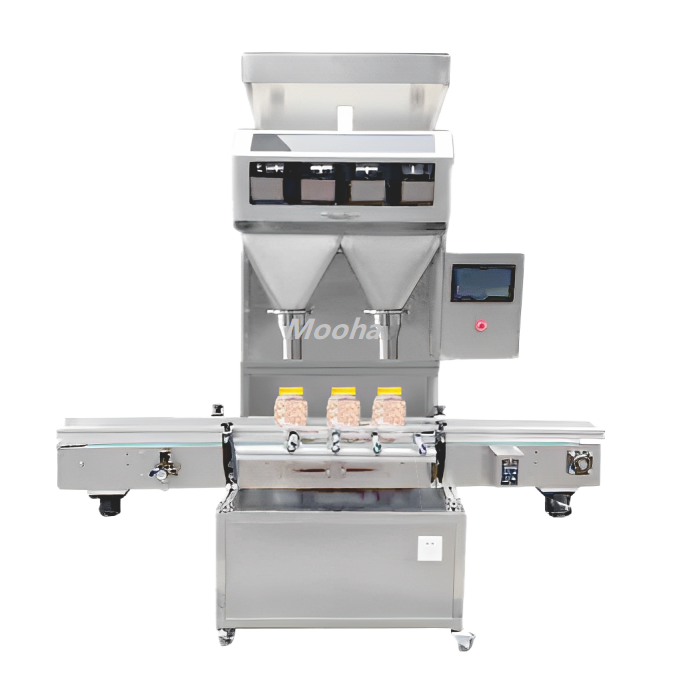
Establishing a rigorous daily routine is your first line of defense against buildup. Start by purging the system. Run the coffee bean filling machine completely empty to clear out residual beans trapped in the vibratory pans. Grab a food-safe, soft-bristled brush and an industrial shop vacuum with a narrow nozzle. Extract loose chaff and dust from the hopper and discharge chutes. Finally, gently wipe down the optical sensors and load cells with a dry, lint-free microfiber cloth. Accurate weighing for the incoming shift depends entirely on this exact step.
Periodic deep cleans require a much more intensive approach. Strictly enforce Lockout Tagout safety procedures to cut power before touching any contact parts. Once safely powered down, dismantle the hoppers, vibratory pans, and weigh buckets. Wash these stainless steel components using hot water and specialized food-grade detergents formulated to dissolve stubborn coffee grease. The drying process is the most critical phase. Every single component must be bone-dry before reassembly. A single drop of trapped moisture causes fresh coffee dust to clump and creates a breeding ground for mold.
Recent market shifts are forcing packaging facilities to adapt quickly. Consumer demand for diverse, single-origin, and heavily flavored coffees has skyrocketed over the past few years. Consequently, production floors are shifting toward high-mix, low-volume operational models. You simply cannot afford to spend an hour wiping down machines between a standard espresso blend and a decaf roast. Every minute the line sits idle directly impacts your daily profit margins.
To survive this shift, leading packaging floors are adopting agile methodologies borrowed from lean manufacturing. The primary focus is reducing changeover times. Implementing a pre-kitting strategy is a massive advantage. Keep dedicated, pre-cleaned change parts ready on standby next to the machine. Utilizing equipment with quick-release clamps allows operators to swap hoppers instantly without hunting for wrenches. Modern machines equipped with smart PLC touchscreens enable operators to recall saved software recipes instantly. You push a button, and the system automatically adjusts weight targets and vibration speeds for different bean densities.
Scaling your operations requires matching the right machine parameters to your specific production volume. Abstract features mean nothing if they do not solve your daily bottleneck.
Specialty coffee roasters dealing with micro-lots face unique challenges. Rotating between delicate, high-end single-origin beans makes rapid changeovers a daily reality. A small batch granule weighing filler engineered for a 5g to 6kg range is ideal here. Meticulous cleaning between batches is non-negotiable. The focus is entirely on preserving nuanced tasting notes so a bright Ethiopian roast is never muddied by a bold Sumatran blend.
For growing mid-sized operations, dual-head systems offer the perfect balance of speed and precision. Upgrading to a 50g to 3000g double-head canning machine equipped with 4 weighing scales drastically cuts dispensing time. Look for true tool-less dismantling on these units. Operators must be able to remove weigh buckets with their bare hands in under a minute.
Industrial, high-volume production requires a completely different operational mindset. Filling 50kg sacks generates massive amounts of dust. A heavy-duty bulk granule bagging machine covering a 500g to 50kg range must feature integrated, high-capacity dust extraction systems. Heavy dust threatens pneumatics and creates a hazardous work environment. Managing these industrial scales necessitates carefully scheduled, longer maintenance windows to keep heavy machinery in peak condition.
| Equipment Scale | Typical Target Weight | Changeover Speed | Cleaning Frequency | Primary Maintenance Focus |
|---|---|---|---|---|
| Small Batch Weighing Filler | 5g - 6kg | Under 5 Minutes | Between every micro-lot | Preventing flavor cross-contamination; sensor dusting. |
| Double-Head Dispenser | 50g - 3000g | 5 - 10 Minutes | Daily wipe-down; weekly deep clean | Tool-less bucket removal; calibrating 4 independent scales. |
| Bulk Bagging Machine | 500g - 50kg | 20+ Minutes | End of shift vacuum; bi-weekly deep clean | Dust extraction system clearing; pneumatic valve inspection. |
Flavored coffees are a production manager's worst nightmare. Artificial flavorings and syrups leave behind aggressive, lingering odors and incredibly sticky residues. Run regular beans after a flavored batch without sanitizing the system? You just tainted the next several batches of regular coffee with synthetic aromas.
To combat this, you essentially have two strategies. The first is purchasing duplicate contact parts. Keeping dedicated hoppers and buckets exclusively for flavored beans requires a higher upfront investment. However, it guarantees zero cross-contamination and lightning-fast changeovers. The alternative is relying on heavy-duty, food-safe enzymatic cleaners specifically designed to break down synthetic oils. This method neutralizes stubborn odors but significantly extends your cleaning downtime.
A frequent error on the production floor is reaching for standard industrial degreasers. Using harsh, non-food-safe chemicals corrodes stainless steel surfaces. It strips protective coatings. Worse, it taints your coffee with toxic chemical residues. Always stick to certified food-grade detergents.
Efficiency should never trump safety. Reaching into a hopper to clear a jam while the machine is still powered on is a severe hazard. Train all operators on strict safety protocols. The machine must be completely de-energized before any internal maintenance occurs.
A clogged dust collector is an overlooked culprit behind poor machine performance. Failing to empty and maintain the extraction system leads to a messy factory floor. It causes inaccurate sensor readings and creates severe respiratory hazards for workers breathing the ambient air.
Maintaining a packaging line is not merely an exercise in hygiene. It is a critical business practice that directly safeguards product quality, ensures legally compliant bag weights, and extends the lifespan of your capital equipment. Treat cleaning and maintenance as integral parts of the production cycle rather than afterthoughts to drastically reduce downtime. Create strict, documented standard operating procedures for daily wipe-downs and complex changeovers alike.
Are slow changeovers and impossible-to-clean hoppers bottlenecking your roastery? Upgrade your production line today to protect your profit margins. Explore the robust, hygiene-optimized machinery at Shmooha. From agile 3kg small batch weighers to heavy-duty 50kg bulk baggers, find the exact equipment engineered for rapid changeovers, tool-less dismantling, and flawless precision to scale your business effortlessly.
Perform dry wipe-downs and vacuuming daily at the end of every shift. Schedule a thorough wet wash weekly. This frequency heavily depends on your roast profile. Facilities processing very dark, oily roasts or flavored beans may need to deep clean every two to three days to prevent rancidity.
Yes, but with strict caveats. You can only use water and detergents if the hopper is completely detached and removed from the electrical base of the machine. It is absolutely critical to dry the hopper completely before reattaching it. Residual moisture will cause coffee dust to form a concrete-like sludge.
The most efficient method combines a touch-screen recipe memory with a pre-kitting strategy. Having a secondary, pre-cleaned hopper and set of weigh buckets ready on a cart allows operators to swap soiled parts for clean ones in minutes. This pushes deep cleaning tasks to the end of the day rather than stopping active production.
Eliminate aggressive synthetic odors by using specialized, food-safe coffee equipment cleaners mixed with hot water to scrub the contact parts. After drying and reassembly, run a dummy batch of waste beans or specialized purging pellets through the system. This pulls out any remaining residual oils from hard-to-reach vibratory tracks.
Inconsistent weights usually stem from physical debris interfering with the load cells. Chaff buildup under the weighing mechanism, oxidized oil causing beans to bridge in the hopper, or unstable machine leveling are the primary culprits. Always check the weigh bucket hinges for sticky residue that prevents the doors from closing completely.
Always insist on 304 or 316-grade stainless steel for all contact parts. These specific alloys resist the acidic nature of coffee oils and prevent rust from frequent wet-cleaning. Furthermore, they feature smooth, polished surfaces that wipe clean instantly without trapping microscopic bacteria.

