
English 


Views: 0 Author: Site Editor Publish Time: 2026-02-12 Origin: Site


Have you ever wondered how powders like coffee, flour, and even pharmaceutical ingredients end up in neatly packaged jars, pouches, or bottles? The answer lies in the precision and efficiency of a powder filling machine. This essential equipment ensures that powders are accurately dispensed into containers, whether you're working in food production, chemicals, or pharmaceuticals. Mooha’s powder filling machines are designed to offer the best solutions for precise powder handling, whether you're looking for semi automatic powder filling machines or more advanced automatic systems. In this article, we'll explore how these machines work, from the hopper to the final container.
The process of filling a container with powder involves multiple stages, each of which is crucial for ensuring precision and consistency. Below is a step-by-step breakdown of the typical workflow in a powder filling machine:
Powder Supply and Storage: The powder is initially stored in a hopper, which acts as a holding chamber for the material. The hopper ensures a continuous supply of powder to the filling mechanism without interruption. Depending on the type of powder, additional features like vibrators or agitators may be used to keep the powder flowing smoothly.
Dosing: Once the powder is in the hopper, the filling machine’s dosing mechanism kicks in. For powder auger fillers, the auger screw rotates to move powder from the hopper and into the filling nozzle. The dosing process ensures that each container receives an accurate, consistent amount of powder.
Filling: The powder is then dispensed into the container. The filling nozzle moves to align with the container, and the auger screw or similar dosing mechanism pushes the powder into the container. The fill amount is controlled precisely to meet the desired weight or volume.
Capping or Sealing: Once the container is filled, the next step is to cap or seal it to prevent contamination and ensure that the product remains intact during transport and storage.
The powder filling machine works seamlessly through these stages, allowing for high-speed production with minimal human intervention. This automated process reduces labor costs, minimizes errors, and increases overall productivity.
The auger screw mechanism plays a vital role in powder filling machines, especially in powder auger fillers. This component is designed to handle a variety of powder types, including free-flowing and non-free-flowing powders. The auger screw rotates inside the hopper, pushing powder through a nozzle and into the container with precision.
Fine powders, like flour, coffee powder, and pharmaceutical ingredients, can be challenging to handle due to their flow properties. The auger screw excels in managing these fine powders, providing accurate, volumetric fills. The precision of the auger ensures that there is minimal variation in the amount of powder dispensed, which is crucial in industries like pharmaceuticals where consistency is key.
Additionally, the auger screw mechanism helps minimize dust during the filling process. Fine powders are notorious for creating dust, which can lead to contamination and wastage. The auger’s design ensures that powders are handled within a closed system, reducing the risk of dust escaping into the air. This feature is particularly important in industries like pharmaceuticals and food production, where cleanliness is paramount.
To understand how a powder filling machine works, it’s essential to look at the key components that make the system function. Each part plays a specific role in ensuring accuracy, consistency, and efficiency in the filling process.
The hopper is where the powder is initially stored before being dispensed into containers. It’s designed to hold large quantities of powder while maintaining a consistent flow to the filling mechanism. Depending on the type of powder, hoppers may include vibration systems or agitators to ensure a steady flow.
For powders that tend to clump together or settle over time, an agitator is used to keep the powder evenly distributed. The agitator stirs the powder in the hopper, preventing blockages and ensuring that the powder is ready to be dispensed smoothly.
The funnel directs the powder from the hopper to the dosing mechanism. It helps control the flow of powder into the filling nozzle, ensuring that the powder is dispensed accurately.
The motor system drives the movement of the auger screw or other filling mechanisms. The motor ensures that the powder is moved through the system at the correct speed and pressure for accurate dispensing.
Modern powder filling machines come with advanced programmable logic controllers (PLCs) and touchscreen interfaces that allow operators to monitor and adjust the filling process. These systems offer a high level of precision and control, ensuring that each fill is consistent and accurate. The PLC system can be programmed to handle different powders, container sizes, and fill amounts, making these machines versatile and adaptable to various applications.
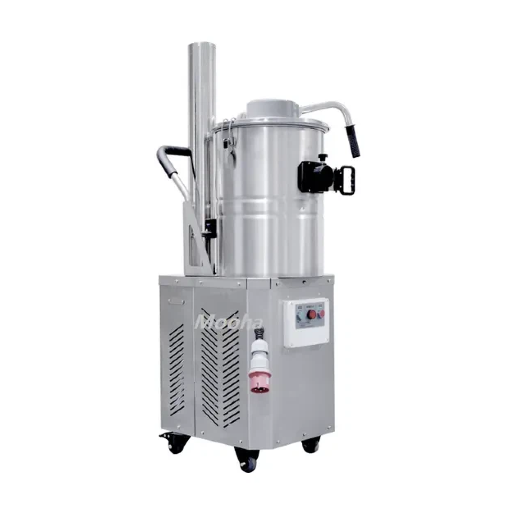
While fully automatic systems are ideal for large-scale production, semi-automatic powder filling machines are often used in smaller operations or for businesses with moderate production needs. In a semi-automatic system, the operator plays an active role in positioning the containers under the filling nozzle. The machine then dispenses the powder automatically.
Semi-automatic machines are often used in industries where smaller batch sizes or product varieties are needed. They offer a balance between manual operation and automation, providing flexibility without the high costs of fully automatic systems.
For businesses in the pharmaceutical industry, powder vial filling capping machines are essential for ensuring accurate and sealed product packaging. These machines integrate seamlessly into the production line, starting with powder feeding from the hopper to the container filling stage, and ending with the capping or sealing process.
The powder vial filling and capping cycle typically includes the following steps:
Load Powder into Hopper: The powder is loaded into the hopper and prepared for dosing. The powder is leveled to ensure consistency.
Auger Dispensing: The auger screw moves the powder from the hopper into the container. This is the most precise part of the process, ensuring that the exact amount of powder is dispensed.
Container Positioning: The container (vial or bottle) is placed under the filling nozzle, and the powder is dispensed into the container.
Filling Action: The machine fills the container with the correct amount of powder. This is the core function of the powder filling machine, ensuring accuracy with every fill.
Capping or Sealing: Once the container is filled, the capping machine seals it to ensure product integrity.
Step | What Happens | Benefit |
Load Powder into Hopper | Material loaded and leveled | Ready for dosing |
Auger Dispensing | Screw conveys powder to nozzle | Accurate fill |
Container Positioning | Holding bottle/pouch in place | Correct placement |
Filling Action | Powder is dispensed | Repeatable result |
(Optional) Cap/Seal | Capping machine finishes bottle | Ready for sale |
While powder filling machines are efficient and reliable, they are not immune to challenges. Some of the most common issues include clumping, inconsistent flow, and dust generation.
Clumping can occur when powders with poor flow properties, such as flour or cocoa, get stuck in the hopper or auger. This can be managed by using an agitator or vibration system that ensures even powder flow.
Powders with varying moisture content or particle sizes can have inconsistent flow, which may result in inaccurate filling. Powder filling machines can be equipped with different mechanisms, such as adjustable augers or vibrators, to maintain a consistent flow.
Fine powders are prone to generating dust, which can contaminate the working environment or the product itself. Machines that are equipped with dust control systems, such as enclosed hoppers or vacuum feeders, help minimize dust and maintain a clean environment.
In conclusion, powder filling machines are essential for industries that rely on accurate and efficient packaging of powder-based products. By understanding how these machines work, businesses can improve their production lines, reduce waste, and maintain consistency. Whether you are in the food, pharmaceutical, or chemical industry, Mooha's powder filling machines provide the precision and efficiency needed for high-quality packaging. For more information on how Mooha’s machines can streamline your packaging process, contact us today!
1. What is the role of the auger screw in powder filling?
The auger screw moves powder from the hopper to the container with high precision, ensuring consistent and accurate fills.
2. How does a semi-automatic powder filling machine work?
In semi-automatic machines, the operator manually positions containers, and the machine automatically dispenses the powder.
3. What challenges are faced in powder filling?
Challenges include clumping, inconsistent flow, and dust generation, all of which can be minimized with proper machine features.
4. Can powder filling machines be used for both small and large-scale operations?
Yes, powder filling machines come in both semi-automatic and fully automatic versions, catering to both small and large production volumes.

