
English 


Views: 0 Author: Site Editor Publish Time: 2026-07-23 Origin: Site


Packaging powder products demands absolute precision to protect tight profit margins. You must consistently balance premium retail shelf-appeal against aggressive per-unit cost control. From dense whey protein to volatile pharmaceutical powders, operations face this identical challenge daily on the factory floor. Relying on pre-made bags offers distinct premium aesthetics but heavily restricts overall throughput. It inherently drives up consumable material expenses significantly. Conversely, rollstock automation requires exact mechanical calibration up front. Yet, it scales incredibly efficiently during dedicated, long-running production shifts. Operations and procurement teams desperately need an objective, engineering-focused breakdown to guide these capital equipment decisions. We will thoroughly analyze production volume thresholds, operational risks, and mechanical workflows. This guide directly helps you determine the exact crossover point where one packaging format permanently outperforms the alternative on your specific line.
Cost Efficiency: VFFS significantly reduces per-pouch material costs by utilizing flat rollstock, making it ideal for high-volume runs.
Flexibility & Aesthetics: Premade pouch machines excel in multi-SKU environments requiring premium stand-up bags, complex closures, and frequent changeovers.
Operational Reality: Powder characteristics (flowability and dust generation) dictate tooling requirements (e.g., auger fillers) regardless of the machine base.
The Decision Pivot: The choice hinges on your production volume ratio versus your required SKU variability—not just initial CapEx.
We must first dissect the foundational engineering separating these two automated platforms. Understanding how raw materials travel through the equipment clarifies all downstream maintenance requirements.
Defining the vertical powder packing machine reveals a system built purely for relentless continuous output. It forms a completed bag from a continuous flat roll of plastic or laminate film. Transport belts mechanically pull the web downward over a steel forming collar. The flat film cleanly folds into a tube shape. Vertical heated jaws create the continuous back seal. Next, horizontal jaws press together to create the bottom seal. The integrated dosing unit drops the exact powder weight vertically into the open tube. Finally, the top jaws seal the bag shut, simultaneously creating the bottom closure of the next consecutive bag.
Pros include continuous, high-speed output and a drastically lower consumable cost per bag. Cons involve complex daily setup procedures. Operators must manage web alignment tracking closely. You will also experience unavoidable initial film waste during morning calibration runs.
Conversely, defining Premade Pouch Machines shifts the mechanical focus toward precision handling. Instead of forming a bag from scratch, the system picks an already manufactured pouch from an organized magazine stack. Vacuum suction cups grab the flat bag. Mechanical steel grippers secure the outer edges. A controlled blast of pressurized air opens the mouth. The system fills it, confirms proper product weight, and heat-seals the top shut. This utilizes either a rotary carousel or an inline indexing system. When evaluating VFFS vs premade pouch dynamics, pouch handling stands out as the primary operational difference.
Pros feature almost zero structural forming errors. The equipment accommodates highly complex bag shapes effortlessly. You can easily run shaped pouches featuring corner spouts or heavy-duty child-resistant zippers. Cons highlight higher consumable costs per empty bag. Cycle speeds run decidedly slower because the machine executes multiple distinct handling steps per cycle.
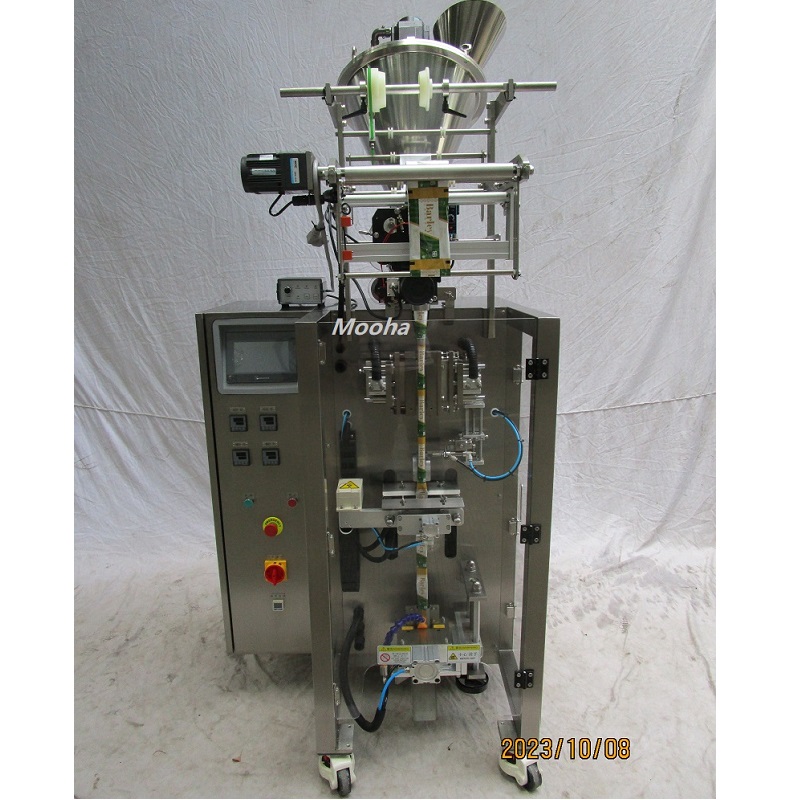
Comparing capital expenditures and operational expenses requires mapping out long-term consumable usage. The raw machine frame represents just a fraction of your actual financial commitment over a decade of production.
When reviewing equipment CapEx, you will notice distinct baseline investment differences immediately. A standard powder bag packaging machine designed for pre-converted pouches often carries a significantly higher initial base price. It relies on heavily engineered mechanical grippers, vacuum opening stations, and multiple sensor arrays. Rollstock systems utilize fewer moving parts to form the enclosure. They rely on straightforward linear pulling mechanisms and fixed heated jaws.
Material OpEx remains the true differentiator for long-term profitability. Rollstock film costs substantially less per unit than pre-converted bags. Converting raw flat film internally effectively eliminates the heavy premium you pay bag suppliers to pre-fold and pre-seal edges. You must thoroughly calculate a break-even volume threshold. This calculation precisely determines where massive rollstock material savings definitively offset the higher changeover downtime typical of vertical rollstock units.
Labor requirements and facility footprint add another crucial layer to your operational matrix. Vertical designs naturally require significantly less floor space. You utilize vertical ceiling clearance instead of sprawling square footage. This maximizes tight facility layouts perfectly. Premade systems demand continuous, active operator intervention. Personnel must constantly reload empty pouch magazines unless you integrate expansive automated robotic buffers.
We can visualize this operational balance using a practical comparative matrix:
| Operational Metric | Rollstock System (VFFS) | Premade Pouch System |
|---|---|---|
| Consumable Material Cost | Extremely Low (Raw Flat Film) | High (Pre-manufactured Bags) |
| Initial Equipment CapEx | Standard Baseline Investment | Premium Baseline Investment |
| Facility Footprint | Highly Compact (Vertical Space) | Expansive (Inline or Rotary Setup) |
| Operator Intervention | Low (Film roll lasts thousands of cycles) | High (Frequent magazine reloads required) |
Production agility often dictates whether you can fulfill sudden retail orders effectively. Raw mechanical speed alone means nothing if your maintenance team spends half the shift mechanically reconfiguring the line.
Throughput benchmarks highlight distinct performance ceilings. A typical powder pouch packing machine using premade bags maxes out at notably lower speeds. You can realistically expect roughly 30 to 60 pouches per minute. Complex gripping and opening stages heavily bottleneck maximum velocity. Continuous-motion vertical rollstock units shatter these ceilings. They routinely hit 70 to 120 bags per minute on standard pillow formats.
Changeover times truly test your facility agility. High-mix environments live and die by format flexibility. Let us clearly break down the mechanical realities:
Premade Pouch Format Adjustments: You enjoy incredibly fast format changes. Adjusting robotic gripper widths takes mere minutes through an integrated touchscreen interface. You simply swap the empty bag magazine and adjust the filling nozzle height. This proves absolutely ideal for contract packagers handling five or more distinct SKUs daily.
Rollstock Format Adjustments: You face significantly slower format changes. Operators must physically unbolt and swap heavy steel forming tubes. They must carefully thread new flat film through complex tension rollers. Finally, they spend time recalibrating heated seal jaws to match the new film gauge. This process routinely consumes 30 to 60 minutes. Therefore, these systems heavily suit dedicated, uninterrupted, and long production runs.
Airborne particulates aggressively compromise seal integrity and severely shorten machinery lifespans. Fine powder dust infiltrates bearings, fouls optical sensors, and destroys aesthetic retail presentation.
Both automation formats demand precise tooling integration to combat these volatile variables. They require airtight integration directly above the forming or opening stations. You must utilize Auger Fillers for non-free-flowing materials like cake mix or protein. Conversely, you rely on Volumetric Cup Fillers for free-flowing granulars like coarse salt or sugar.
Seal integrity failures present unique challenges depending on your chosen structural format. Let us compare the exact mechanical risks. The primary rollstock risk involves fine dust settling directly in the vertical or horizontal seal zones during the product drop. Heated jaws cannot melt through dense powder layers securely. You require robust dust extraction vacuums mounted near the tube. We heavily recommend active static elimination bars to prevent plastic film from magnetically attracting floating particles.
The premade pouch risk looks distinctly different. Airborne contamination frequently lands inside the exposed zipper track. Alternatively, the bag fails to open entirely before the auger drops the dose. This disastrously blasts powder over the exterior machine frame. You must install specialized dust hoods above the filling station. You also critically need pouch-opening validation sensors. These specialized optical sensors physically verify a wide-open bag mouth before signaling the auger to release the dose.
Hygiene and washdown protocols firmly dictate your facility compliance standing. You must rigorously evaluate IP65 or IP66 equipment ratings for aggressive liquid sanitation. Plant managers overseeing dairy, infant formula, or heavily regulated pharmaceutical powders demand complete washdown capability. Sealing delicate electronics securely inside waterproof enclosures ensures long-term operational survival.
Deciding between a rigid powder VFFS packaging machine and a versatile premade system requires closely aligning mechanical traits with corporate strategy.
When to decisively choose rollstock automation:
High-volume, low-mix production environments thrive here. Think massive bulk flour bags or standard coffee pillow packs.
When utilizing a specialized powder stick pack machine. These multi-lane vertical units absolutely dominate high-speed single-serve dose packaging requirements.
When strictly prioritizing the absolute lowest possible per-unit material cost remains your primary mandate.
When to decisively choose premade pouch systems:
High-mix, low-volume production schedules completely dominate your floor. Frequent shift changeovers demand rapid mechanical resets.
Your retail strategy demands premium stand-up pouches, quad-seals, or highly engineered heavy-duty zippers. Rollstock systems consistently struggle to run complex closures reliably at high speeds.
Material waste during morning setup remains strictly prohibited. High-value product formulations cannot tolerate pounds of lost powder during film alignment calibration.
Take immediate next-step actions to formalize your decision. Audit your complete twelve-month production forecast to accurately determine actual SKU variability. Calculate specific raw material cost differences by demanding flat film versus pre-converted quotes from your flexible film supplier. Always demand a rigorous Factory Acceptance Test. Bring your specific powder formulas and exact film structures directly to the manufacturer's floor before signing final delivery documents.
The packaging machinery debate clearly extends far beyond declaring which mechanical format is objectively superior. We must continually align raw automation capabilities with strict operational unit economics and shifting retail shelf strategies. Choose your equipment decisively based on verifiable volume thresholds rather than mere aesthetic preferences.
Take immediate action by thoroughly auditing your current changeover frequency today. Map out exactly how many hours your floor operators spend swapping equipment formats each week. Optimize heavily for mechanical flexibility if you are a rapidly growing brand continually testing new retail markets. Optimize fiercely for sheer throughput and raw consumable savings if you are aggressively defending profit margins on established, massive-volume powder lines. Never finalize any capital equipment purchases without thoroughly testing your exact product through the proposed dosing unit.
A: VFFS systems inherently generate initial waste during film threading, mechanical alignment, and temperature calibration. This represents necessary setup waste. Premade pouch machines waste almost zero material during morning setup. However, any rejected pouch later in the shift represents a significantly higher sunk cost because you already paid to manufacture the bag.
A: Yes, highly advanced VFFS machines can form flat-bottom and complex zipper pouches directly from flat rollstock. However, the requisite sealing tooling proves intensely complex. Production speeds drop significantly. The operational learning curve for floor personnel remains much steeper compared to running simple, flat pillow bags.
A: Powder flowability directly dictates your dosing equipment, like choosing an auger over a volumetric cup. It rarely dictates the actual pouch format. However, highly dusty, non-free-flowing powders usually require slower auger fill rates on premade systems. This explicitly prevents dense dust clouds from contaminating the seal area before grippers close.

